
Freind or Friend? Which is correct?
Friend is the correct spelling of the word. Freind is incorrect and not a word in English. Friend is a noun and means a person that you like to spend…
Freind or Friend? Which is correct? Read More »
Friend is the correct spelling of the word. Freind is incorrect and not a word in English. Friend is a noun and means a person that you like to spend…
Freind or Friend? Which is correct? Read More »
Their is the correct spelling of the word. Thier is incorrect and not a word in English. Their is a possessive pronoun that means that a group of people (They)…
Thier or Their? Which is correct? Read More »
To “make a hames of it” is an expression common in Ireland that means to make a mess of something. Ah, The cake is a disaster, I made a hames…
Make a Hames of it (Meaning and Use) Read More »
“Down to a T” is the correct expression in English. “To a T” means something is exactly right. The expression is common in English when someone is amazed that something…
Down To the T or To a T? Which is correct?(To a Tee?) Read More »
“Affects” is the third person singular of the verb to affect. Effects is the plural of the noun “effect”. “To affect” is the verb that means to influence or produce…
Affects or Effects? Which is correct? Read More »
Yes, there should always be an apostrophe in “master’s degree”. We use an apostrophe because the word master is a possessive and “owns” degree. I have a master’s degree in…
“Master’s degree” – Do You Need An Apostrophe? Read More »
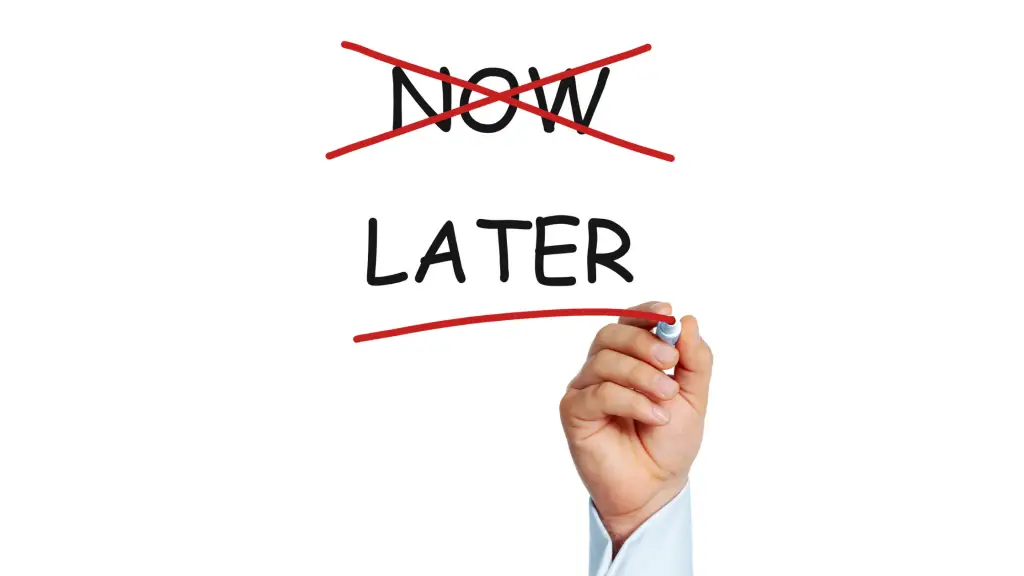
There is a small difference between “later” and “later on” and that is that “later on” is used when there is a previously arranged agreement to meet. “Later” has a…
Later or Later on? What is the difference? Read More »
Both “chat to” and “chat with” are correct and have the same meaning.“Chat to” and “chat with” mean to have a two-way conversation. The verb “to chat” can be informal…
Chat TO or Chat WITH someone? Which is correct?(Difference) Read More »
When you are chatting with a new person, you might want to say that you enjoyed the conversation. That is why you might say, “Nice to meet you” or somebody…
“Nice to meet you”or “Nice meeting you” – What’s the difference? Read More »
The most common expressions of grammatical mood – the way a verb expresses an action or state – are “if I was” and “if I were.” These phrases can cause…
“If I was” or “If I were”? Which is correct in English grammar? Read More »